
Considering I do most of my writing at a coffee shop, how could I not write about World Coffee Week? For me and many others, coffee has become more than a morning eye opener or welcomed relief after a hangover. It has become a vital part of our life.
How many times have we used coffee as an ice breaker to sit with someone we are interested in? It’s not as big of a commitment to ask someone for coffee as it is for a first date. If there is a spark between you then inviting your interest to have a cup of coffee is the ideal way to get to know each other better. But coffee has played a far greater role in connecting people. Coffee has connected us across the globe.
Each Monday a truck delivers coffee to our small book store and coffee shop. I have come to be among the first in line for the freshest cup of my favorite brew. Our coffee is sealed air tight and I probably could not discern a week old coffee bean from one just picked from the tree. But I am not alone in this long line each Monday morning.
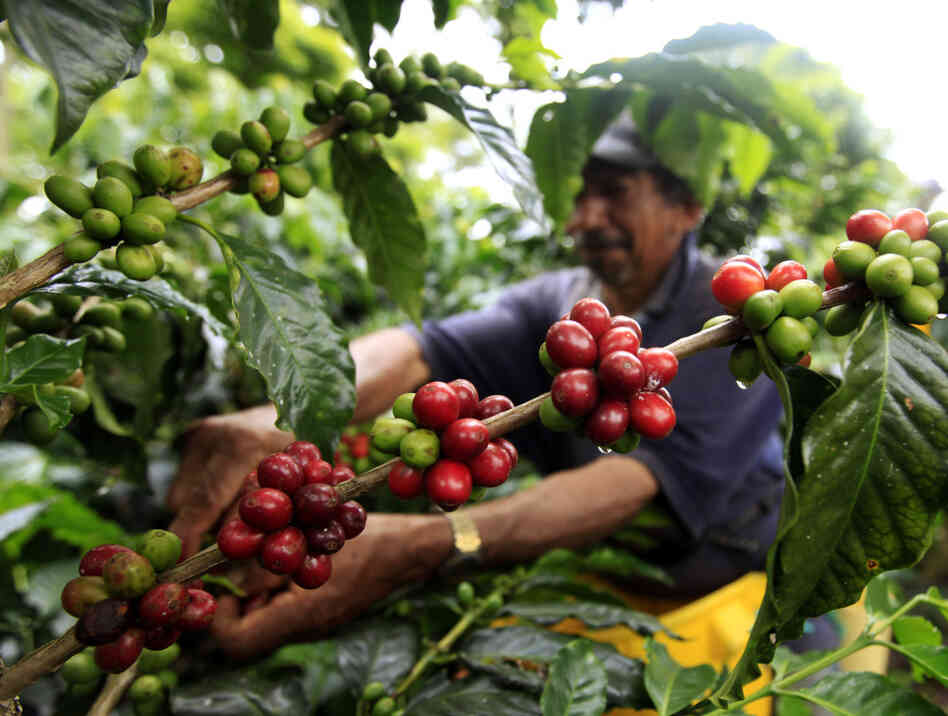
Our coffee actually arrives at the distributor in burlap sacks. It comes from El Salvador, Guatemala and Colombia just to name a few. Our coffee shop is particularly popular because the chain has buyers that travel the world visiting coffee farms and decide which beans the chain will buy. We may not be capable of discerning a bean picked today from one sealed air tight a week ago. But we can definitely discern our shop coffee from that sold in the grocery stores.
Buyers know the higher the altitudes and warmer the climate the better quality of the coffee bean. For this reason the tropics are the best suited to grow the highest quality coffee. Our coffee comes to us from across Latin America, Africa and Southeast Asia. Coffee connects these typically poor countries with the world and sustains their economy. Global coffee bean exports can infuse billions annually into these struggling regions of the world.
It would seem that being a coffee buyer is among the top careers to have. One gets to travel the world and visit places like Ethiopia. The landscape in the high altitudes of Southwestern Ethiopia is a lush misty green tropical climate. But along with scenic beauty, a buyer also sees how desperately these places in the world depend upon the coffee market.

These small coffee farms do not constitute the total for coffee production. Our specialty coffee often comes from these places but 40% of our coffee comes from huge farms in Brazil.
The coffee bean actually grows within a coffee fruit. In Brazil machines strip the fruit from the trees and harvest the bean inside. These farms span to the horizon resembling the farms we have here in America. This is typically your canned coffee found in grocery stores. The coffee trees on these farms are not in higher altitudes and have no shade provided by taller trees. As a result, the beans are smaller and are of lesser quality than specialty beans.
The second largest producer of coffee is Vietnam. Robusta (Coffea canephora) is a fast growing, high yield species of coffee tree grown by Vietnamese farmers. The robusta coffee trees produce big crops but are bitter in taste. The robusta beans are ground up and blended with grinds of other types of coffee and are used for our canned coffee. Specialty coffee buyers avoid buying from the Robusta coffee farms.
Our coffee comes a very long way to reach our tables. It warms us, wakes us up and even helps us connect with new people. As a commodity, coffee connects struggling economies around the world survive. So enjoy a cup of coffee and do your part to help the world!
Sources/Resources
Previously Posted on FullofKnowlege.com

No comments:
Post a Comment